
A significant number of Perth homeowners observe the initial crack following a season of excessive rainfall. A diagonal line coming out of a corner of a window can cause alarm at once. Mostly, structural failure is not the cause. Such a brick crack usually happens due to the fact that reactive clay soils swell when wet and shrink when dry, leaving the foundations underneath the house to move. This blog describes the reasons why this occurs in Perth, what various crack patterns indicate and what should be done by homeowners.
What Is Reactive Soil — And Why Does Perth Have It?
Reactive soil swells when it is wet and shrinks when it is dry. This is typical of Perth since much of the suburbs are on clay-rich soils. The soil below a house moves with changes in moisture and causes stress on foundations and brickwork.
The Shrink-Swell Cycle Explained
Reactive clay soils work as a kitchen sponge. As they become wet, they grow, and they shrink when dry. Hot, dry summers cause the clay soils to contract, whereas winter rain brings about swelling. This cycle of soil shrink swell repeatedly puts a strain on foundations and walls. Regions with sandy soils have less movement as water drains easily, and those with clay soils hold the water and respond well to seasonal variations. With time, this continued swelling and shrinkage may result in cracked brick walls.
Where in Perth Is Reactive Soil Most Common?
Certain areas of Perth have more reactive clay soils than others, and homeowners might need to repair a cracked brick more frequently in those regions. Areas and portions of the Perth hills in south-eastern regions have highly reactive clay, whereas coastal suburbs are generally dominated by sandy soils.
| Perth Area | Typical Soil Type | Movement Risk | Notes |
| Armadale | Reactive clay | High | Significant shrinkage and swell movement are common |
| Kelmscott | Reactive clay | High | Seasonal moisture changes can affect foundations |
| Byford | Reactive clay | High | Soil movement of up to 75mm recorded in some locations |
| Perth Hills | Clay and mixed soils | Moderate to high | Perth Hills clay soil often requires specialised footing design |
| Fremantle | Sandy soil | Low reactivity | Movement more related to erosion |
| Cottesloe | Sandy soil | Low reactivity | Generally stable but can shift with sand movement |
Practical tip: When you do not know what type of soil is under your house, a geotechnical site classification report would be able to determine your site classification and level of soil reactivity. These reports are usually priced at approximately $300 within a radius of 20km of the Perth CBD.
How Reactive Soil Causes Bricks to Crack
As the soil under a home changes volume, the foundations above the soil also shift. This movement is more evident in reactive clay soils, leading to frequent brick cracking in Perth.
What Happens Under Your Foundations
There are two forms of movement under foundations. Settlement occurs when clay soils become dry and contract, resulting in a slight lowering of the footings. Heaving is a process whereby soil takes up moisture and swells, lifting foundations up. When the movement is not evenly distributed across the site, it leads to differential movement and puts stress on the structure. This stress is usually manifested in the form of cracks in brick walls.
Perth’s Climate Makes It Worse
The Mediterranean climate in Perth exacerbates the situation. Hot summers dry the clay soils, whereas rainfall of 600-900 mm in winters swells the clay soil. This shrink-swell cycle continues to exert continuous pressure on foundations. The big trees may also make the problem worse by sucking the soil out of the ground and causing the house to dry unevenly.
If you notice signs of cracked brickwork, do not hesitate to contact professionals for brick repair work Perth immediately.
Types of Brick Cracks — What Each One Means
The cracks in the bricks do not necessarily signify severe issues. The shape, flow, and breadth of a crack can be used to determine whether the problem is cosmetic or structural. Here are some of the common types of cracks observed in most Perth homes and how commercial and residential bricklayers from the Boda Bricklaying Services Perth can fix those issues:
Stepped / Stair-Step Cracks (most common in Perth)
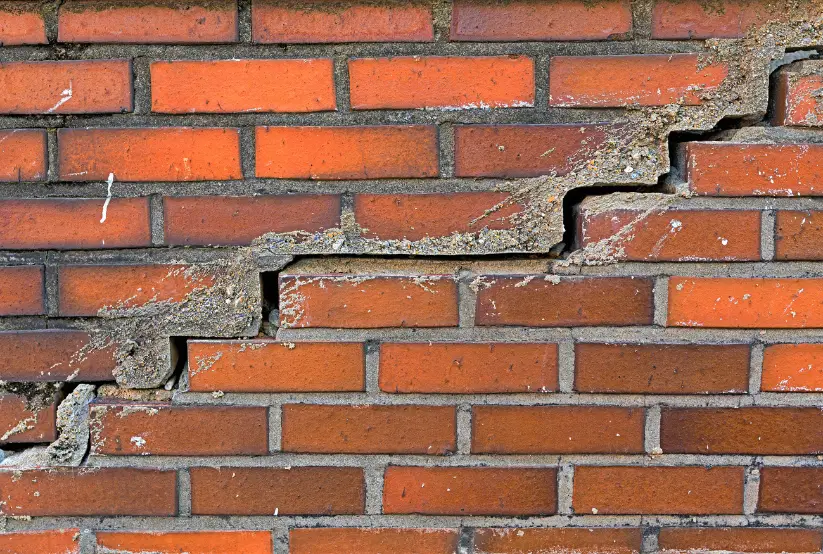
Stepped cracks on brickwork usually trace the mortar joints of a staircase, and they usually begin at the corners of the windows or doors. They are usually associated with the differential settlement due to reactive soil movement. Professionals for fixing cracks in brick walls typically address this by repairing mortar joints. They will seal the cracks and assess the foundations to stabilise any ongoing movement.
Diagonal Cracks
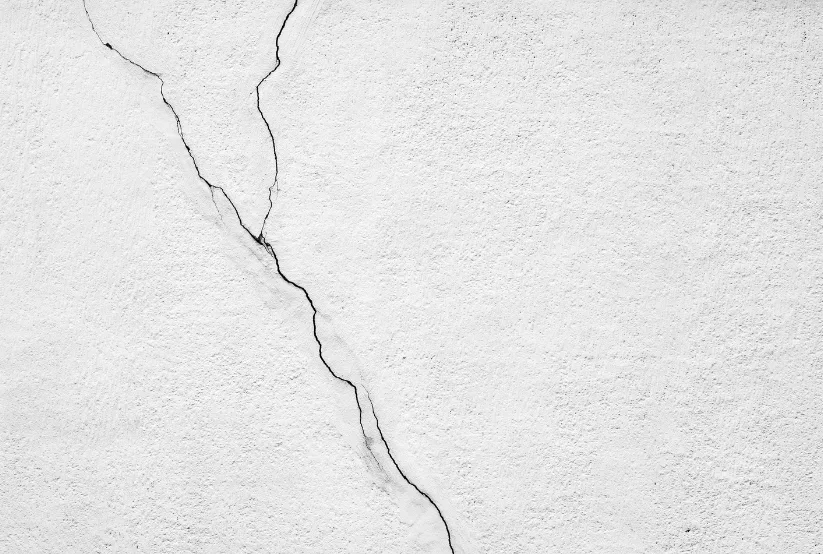
These cracks run at roughly 45° angles and are usually found near windows or doors. They can indicate movement in the slab or footings and should be assessed if they grow. Professionals for diagonal brick crack repair Perth usually inspect the structure and may recommend crack stitching, reinforcement or foundation adjustments to prevent further movement.
Horizontal Cracks
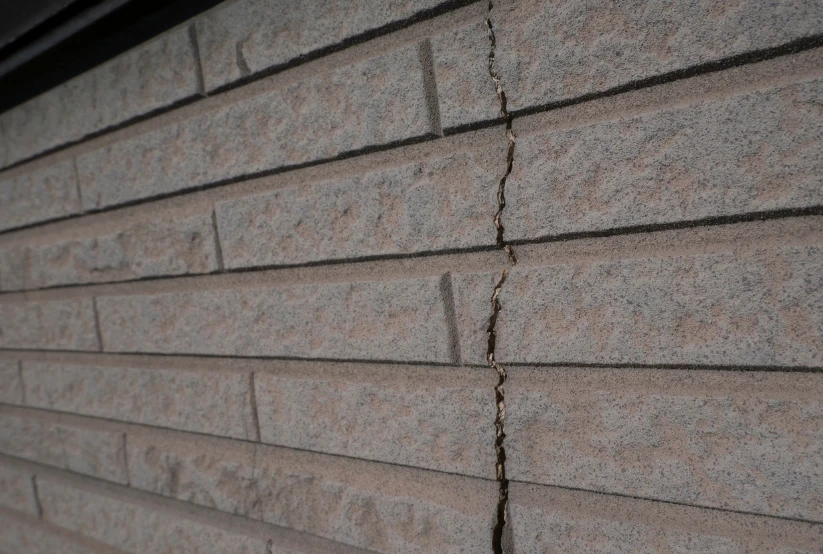
Horizontal cracks on Perth boundary walls or other walls can be more severe and can represent structural stress or movement of the wall, especially in exterior brickwork. In these cases, professionals may strengthen the wall with reinforcement or repair the affected sections while addressing the underlying foundation movement.
Hairline / Vertical Cracks
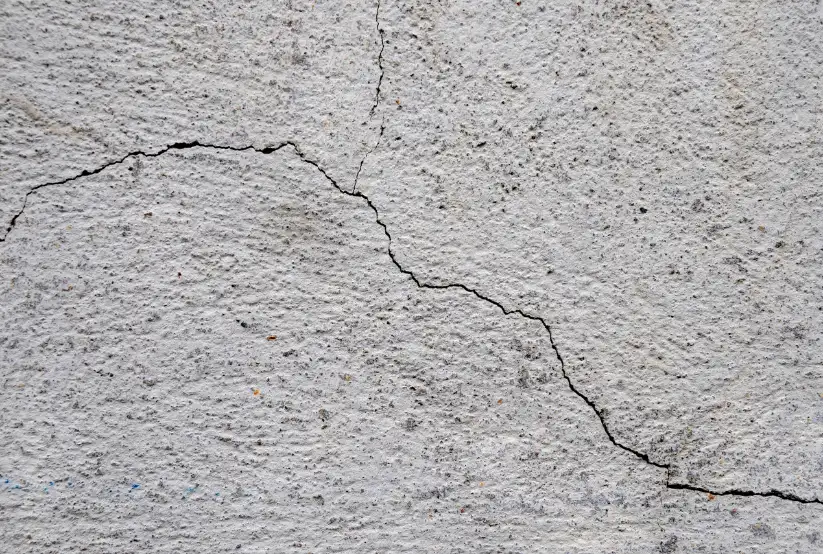
Hairline or vertical cracks are normally cosmetic and might be caused by mere settling or by mortar contraction. Cracks under 1mm are generally considered within normal building tolerances. These are typically repaired using masonry fillers or repointing, which restores the wall’s appearance and prevents moisture from entering the brickwork.
Other Triggers That Make Perth Brick Cracking Worse
Reactive clay soil tends to be the primary cause of brick cracking. But some factors may also exacerbate moisture variation around foundations and increase the risk of.
- Drainage or gutter blockage – Standing water around the house can over-saturate the soil and result in expansion.
- Trees and garden beds that are too near the walls – The roots will extract moisture from the soil, causing uneven drying.
- Irrigation systems around the house – Frequent watering can make the soil constantly wet.
Structural vs. Cosmetic Cracks — How to Tell the Difference
Before calling a professional for brick restoration in Perth, homeowners can perform a simple assessment by looking at several key indicators.
| Sign | Likely Cosmetic | Likely Structural |
| Crack width | Under 1mm | Over 3–5mm |
| Pattern | Hairline, vertical | Stepped, diagonal, horizontal |
| Location | Interior plaster | External brickwork, near openings |
| Other symptoms | None | Sticking doors, sloping floors, gaps at cornices |
| History | Stable for years | Growing or reappearing after repair |
If a crack has been patched previously and later reappears as wider than before, it usually indicates that the underlying movement was never addressed.
When in doubt, it is best to consult a licensed building inspector or structural engineer to fix cracked bricks.
What Perth Homeowners Can Do About It — Practical Prevention Tips
- Maintain stable soil moisture – Avoid extreme wetting and drying around the house.
- Keep gutters and drainage clear – Ensure water drains away from foundations.
- Ensure proper ground grading – Soil and paving should slope away from the house.
- Manage vegetation – Keep garden beds away from walls; paved strips can help on clay sites.
- Monitor cracks – Photograph and track any changes over time to show Perth plasterers and bricklayers.
- Act early – Address small issues before they become major structural repairs.
Note – Homes built before 2000 may predate stricter AS 2870 footing standards, so older houses in clay-heavy areas should be monitored closely.
Key Steps Followed by the Experts Boda Bricklayers to Repair Cracks in Bricks
- Examine the crack to determine its width and pattern.
- Remove dust, debris and loose mortar.
- Seal hairline cracks using masonry filler or mortar.
- Repoint mortar joints for stepped cracks.
- Apply brick wall crack repair resin in case structural reinforcement is required.
- Where the movement is repetitive, install expansion joints.
- Correct the underlying problem, such as a drainage or soil moisture problem.
- Repaint or seal the repaired area to prevent moisture entry.
FAQ — Brick Cracking & Reactive Soil Perth
Why are my bricks cracking in Perth?
The most common cause is Perth’s reactive clay soil, which expands when wet and contracts when dry. This seasonal movement puts uneven pressure on your home’s foundations, causing bricks to crack — most often in a stepped or diagonal pattern.
Is brick cracking in Perth serious?
Not always. Hairline cracks under 1mm are typically cosmetic. However, cracks over 5mm, stepped cracks near windows/doors, or cracks that keep returning after repair should be assessed by a professional.
Which Perth suburbs have the worst reactive soil?
Areas such as Armadale, Kelmscott, Byford, and the Perth Hills are known for significant reactive clay soils. Coastal suburbs tend to have sandy soils, which carry different but related foundation risks.
Can I fix brick cracks myself?
Minor cosmetic cracks can be repointed with mortar. But if there’s an underlying soil or footing issue, surface repairs will just reappear. It’s worth having the root cause diagnosed first.
How do I stop my bricks from cracking?
Maintain consistent soil moisture around your home, keep gutters and drainage in good working order, manage trees and garden beds sensibly, and have any cracks over 3mm professionally assessed early.
Conclusion
Cracks in bricks may appear concerning, and in most Perth houses, they are caused by expansions and shrinkages of reactive clay soils caused by seasonal changes in moisture. This knowledge will enable the homeowners to know when the movement is normal and when it requires professional brickwork crack repair. In case the cracks are cracking or continuing, the Perth bricklayers can check, diagnose and fix them at the initial stage to avoid more structural complications.
Disclaimer: All costs mentioned in the blog are indicative only. Actual costs may vary depending on multiple factors.
Related Blogs
 September 16, 2026
Thinking about a brick fence for your Perth home instead of Colorbond or timber? Brick can deliver excellent street appeal, p...
Read More September 8, 2026
You have a sloping area in your Perth property, plan to build a retaining wall and have one question before digging up any so...
Read More August 12, 2026
Paving using bricks is a practical and aesthetically pleasing option for houses in Perth. Bricks can be used in driveways, pa...
Read MoreLooking For Bricklaying Services?
Are you tired of searching for high-quality bricklaying services that also take into consideration your demands? You have reached the right place! With our Bricklayers Perth, you can never go wrong in making the right decisions.
-
 Retaining Wall Construction & Repair
 - Residential Bricklaying
- Repair Work
- Plastering
- Paving
- House Rendering
- General Construction
- Floor Pavement
- Decorative Brickwork
- Commercial Bricklaying
- Brick Restoration
- Brick Letterbox
- Boundary Walls
- Boundary Walls
- Brick Letterbox
- Brick Restoration
- Commercial Bricklaying
- Decorative Brickwork
- Floor Pavement
- General Construction
- House Rendering
- Paving
- Plastering
- Repair Work
- Residential Bricklaying
- Retaining Wall Construction & Repair









A Smile On Your Face, It’s Our Motto
I was looking for a good bricklaying company that can offer both residential and commercial construction services. After searching over the internet, I came across Boda Bricklaying. These guys are highly-responsive, extremely knowledgeable, very experienced and they certainly provided me with a fantastic bricklaying service.

Matthew JohnsonFounder & CEO
Due to my past experience, I was a bit hesitant to contact the experts from Boda Bricklaying, but I thought about doing it one last time. I won’t lie, the service was five times better than my previous one. The team of experts came up on time, was equipped with all the tools and equipment and started off with their work without wasting time.
George MathhewsFounder & CEO
If you’re looking for a group of skilled and experienced bricklayers in Perth, I will point you towards Boda Bricklaying. They have people who can guarantee high-quality and professional-level service. They are the right people to turn to when you’re aiming to construct, renovate, or repair new floors or walls.
Donald DeanFounder & CEO
Boda Bricklaying was recommended to me by my friend and I must say, I did the right thing by hiring them. They showed up on time, and were extremely fast with their job. I didn’t have to pay any extra charge and also the service was under my budget. Recommended to everyone.
John hagerFounder & CEO