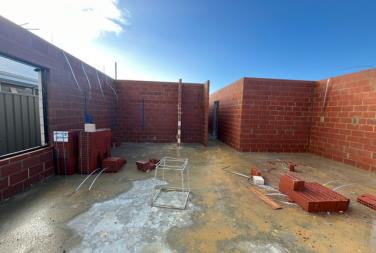
Choosing the right brick type is one of the most important decisions you will make during a home renovation. Bricks influence not only the structural integrity of your home but also its appearance, energy efficiency, longevity, and maintenance requirements.
As we move into 2026, the Australian construction landscape is shifting toward sustainability, energy efficiency, and modern aesthetics. This means homeowners have more brick choices than ever—ranging from traditional clay bricks to innovative eco-bricks, recycled materials, and premium designer finishes.
If you are planning a renovation project, understanding these brick types and their suitability is essential. This guide will walk you through the key considerations, trending brick options for 2026, and how professionals—such as a local bricklayer in Perth—can help you make the right choice for your home.
Why Brick Selection Matters in 2026 Renovations
Choosing the right brick is about more than colour and texture. The material you select directly affects:
- Structural strength
- Durability and weather resistance
- Thermal performance and energy bills
- Long-term maintenance
- Aesthetic impact
- Property value
As Australian homes increasingly adopt environmentally responsible building practices, brick types that offer low carbon footprint, recyclability, and sustainable composition are becoming mainstream.
1. Understand Your Home’s Architectural Style
Your home’s design plays a major role in deciding which brick type is suitable for your renovation. The brick you choose should complement the existing architecture, especially if you are renovating a heritage or period-style home.
For Modern or Contemporary Homes (2026 Trends)
- Smooth-faced bricks
- Large-format bricks
- Dark charcoal, grey, or sleek white tones
- Minimalist, uniform textures
For Traditional Australian Homes
- Red clay bricks
- Reclaimed or recycled bricks
- Tumbled or textured finishes
For Heritage Renovations
- Hand-pressed bricks
- Sandstock bricks
- Aged or distressed textures
Choosing a brick type that aligns with your home’s style ensures visual harmony and often simplifies future maintenance or brick restoration Perth work.
2. Evaluate the Purpose of the Renovation
Different renovation objectives demand different brick specifications:
Structural extensions
Require high-strength load-bearing bricks with strong durability.
Aesthetic upgrades (facades, feature walls)
Focus more on colour, finish, and texture.
Outdoor renovations (patios, garden walls, boundary walls)
Need weather-resistant and moisture-resistant bricks.
Energy-efficiency upgrades
Choose thermal mass bricks that regulate indoor temperature.
A professional offering residential bricklaying services Perth can assess your renovation plan to recommend the most appropriate and long-lasting brick type.
3. Understand the Most Popular Brick Types for 2026
A. Clay Bricks
Still the most popular choice for Australian homes.
Benefits:
- Excellent durability
- Natural colour retention
- Low maintenance
- High thermal mass for eco-friendly temperature control
Clay bricks are ideal for general home renovations, extensions, and feature walls.
B. Concrete Bricks
Concrete bricks offer structural strength and design versatility.
Benefits:
- Precise shapes
- Modern, sleek appearance
- Cost-effective
- Available in uniform colours
Concrete bricks are excellent for contemporary architecture and creative design projects.
C. Recycled or Reclaimed Bricks
Sustainability is a major trend in 2026. Homeowners across Perth and Western Australia are increasingly choosing reclaimed bricks.
Benefits:
- Eco-friendly
- Unique weathered look
- Perfect for character homes or rustic designs
- Strong resale value
These bricks also work well when blending new structures with older ones, especially if you foresee future brick restoration.
D. Eco-Bricks (Algae, Hemp, Bio-Composite)
Cutting-edge eco-bricks are gaining traction as Australia moves toward low-carbon construction.
Benefits:
- Highly sustainable
- Lightweight
- Lower carbon footprint
- Innovative visual textures
Eco-bricks are ideal for homeowners who want a modern, environmentally conscious renovation.
E. Sandstock Bricks
Perfect for creating a handmade or heritage appearance.
Benefits:
- Rich texture
- Natural, irregular shapes
- Timeless appeal
Commonly used for period-style homes or feature facades.
F. Wirecut or Extruded Bricks
These are machine-made bricks with clean edges and consistent shapes.
Benefits:
- Affordable
- Highly durable
- Wide range of colours
Ideal for new extensions or full façade renovations.
4. Choose the Right Colour and Texture for Your Property
Colour selection greatly influences curb appeal. In 2026, neutral tones and earthy palettes remain popular across Western Australia.
Trending Brick Colours:
- Charcoal and graphite
- Warm greys
- Rustic reds
- Soft beige
- Off-white or bone
Texture Options:
- Smooth
- Matte
- Dragfaced
- Tumbled
Glazed finishes (for ultra-modern homes)
Texture affects not only aesthetics but also how easily the bricks can be cleaned and maintained. A local bricklayer in Perth can help you choose options that withstand regional climate conditions.
5. Consider Climate and Environmental Factors (Especially in WA)
Perth’s climate includes intense heat, coastal winds, and occasional storms. The brick type you select must withstand these environmental pressures.
Key climate-related considerations:
- Thermal efficiency: Bricks with high thermal mass help reduce cooling costs.
- Salt-resistant materials: Crucial for coastal suburbs.
- UV-resistant colouring: Prevents fading under strong sunlight.
- Moisture-resistant bricks: Limit long-term deterioration.
If your home is older or exposed to the elements, factor in the potential need for future brick restoration Perth.
6. Plan for Long-Term Durability and Maintenance
Different brick types require different levels of maintenance. For example:
Low-Maintenance Bricks
- Clay bricks
- Concrete bricks
- Wirecut bricks
Higher-Maintenance Bricks
- Porous recycled bricks
- Handcrafted sandstock bricks
Your choice should reflect how much upkeep you are willing to manage.
Homeowners planning long-term renovations often rely on residential bricklaying services to evaluate durability, maintenance, and future repair needs.
7. Budget and Cost Considerations
Brick costs vary based on material, texture, production process, and availability. In 2026, sustainable bricks may cost more upfront but offer long-term savings due to durability and energy efficiency.
Costs to evaluate:
- Brick material cost
- Labour for installation
- Potential reinforcement or structural adjustments
- Maintenance over the next 15–20 years
A local bricklayer can provide transparent pricing and help you compare options realistically.
8. Consult a Professional Bricklayer Before Finalising Your Choice
While researching brick types is beneficial, choosing the right one without professional input can lead to issues such as mismatched materials, weak structural support, or poor thermal performance.
A skilled professional offering residential bricklaying services Perth can help you with:
- Brick selection based on your home’s construction
- Accurate colour and style matching
- Compliance with Australian building standards
- Ensuring structural safety
- Long-term maintenance planning
- Cost-effective solutions
Their expertise ensures your renovation is not only visually appealing but also structurally sound and future-proof.
Final Thoughts
Selecting the right brick type for your home renovation in 2026 involves balancing aesthetics, structure, sustainability, and budget. Whether you’re upgrading a façade, extending your home, or incorporating eco-friendly materials, your choice will influence your property’s value and performance for decades.
Perth homeowners can greatly benefit from consulting a local bricklayer in Perth who understands regional materials, climate conditions, and current design trends. With professional support and the right brick selection, your renovation project will achieve both beauty and durability.
Related Blogs
 March 13, 2026
A significant number of Perth homeowners observe the initial crack following a season of excessive rainfall. A diagonal line ...
Read More February 11, 2026
Repointing is one of the major maintenance tasks for Perth homes. Mortar deteriorates over time due to the sun, rain and the ...
Read More November 25, 2025
Brick structures are known for their durability, timeless appearance, and strength. Whether it is a residential home, retaining wall, garden feature, or comm...
Read MoreLooking For Bricklaying Services?
Are you tired of searching for high-quality bricklaying services that also take into consideration your demands? You have reached the right place! With our Bricklayers Perth, you can never go wrong in making the right decisions.
-
 Retaining Wall Construction & Repair
 - Residential Bricklaying
- Repair Work
- Plastering
- Paving
- House Rendering
- General Construction
- Floor Pavement
- Decorative Brickwork
- Commercial Bricklaying
- Brick Restoration
- Brick Letterbox
- Boundary Walls
- Boundary Walls
- Brick Letterbox
- Brick Restoration
- Commercial Bricklaying
- Decorative Brickwork
- Floor Pavement
- General Construction
- House Rendering
- Paving
- Plastering
- Repair Work
- Residential Bricklaying
- Retaining Wall Construction & Repair









A Smile On Your Face, It’s Our Motto
I was looking for a good bricklaying company that can offer both residential and commercial construction services. After searching over the internet, I came across Boda Bricklaying. These guys are highly-responsive, extremely knowledgeable, very experienced and they certainly provided me with a fantastic bricklaying service.

Matthew JohnsonFounder & CEO
Due to my past experience, I was a bit hesitant to contact the experts from Boda Bricklaying, but I thought about doing it one last time. I won’t lie, the service was five times better than my previous one. The team of experts came up on time, was equipped with all the tools and equipment and started off with their work without wasting time.
George MathhewsFounder & CEO
If you’re looking for a group of skilled and experienced bricklayers in Perth, I will point you towards Boda Bricklaying. They have people who can guarantee high-quality and professional-level service. They are the right people to turn to when you’re aiming to construct, renovate, or repair new floors or walls.
Donald DeanFounder & CEO
Boda Bricklaying was recommended to me by my friend and I must say, I did the right thing by hiring them. They showed up on time, and were extremely fast with their job. I didn’t have to pay any extra charge and also the service was under my budget. Recommended to everyone.
John hagerFounder & CEO